
Loud snoring and excessive daytime sleepiness may indicate sleep apnea, one of the most common sleep disorders. It is serious but treatable. Learn about its symptoms and treatment options in detail below.
What is Sleep Apnea?
Sleep apnea is a condition in which breathing stops for several seconds during sleep. These pauses can occur hundreds of times per night, leading to sleep disruption and reduced oxygen supply to the brain. (1)
Sleep apnea is common but can be dangerous if left untreated. It may cause poor concentration, frequent accidents and injuries, and increase the risk of chronic diseases such as heart disease and high blood pressure. (1)
What Are the Signs and Symptoms of Sleep Apnea?
The two most common symptoms are: (1)
- Loud snoring with pauses in breathing lasting a few seconds.
- Excessive daytime sleepiness, which cannot be explained by other causes. For example, the person may fall asleep suddenly while watching TV, during a conversation, or even while driving.
Other possible symptoms include: (1)
- Irritability
- Dry mouth upon waking
- Frequent morning headaches
- Poor memory and reduced concentration
- Mood changes and behavioral issues
- Depression
Sleep Apnea or Just Snoring?
Not everyone who snores has sleep apnea, and not all sleep apnea patients snore.
The main difference between regular snoring and sleep apnea is how you feel during the day. Regular snoring usually does not affect daytime alertness, whereas sleep apnea often leads to extreme fatigue and sleepiness.
Additionally, the nature of the snoring provides clues: if you gasp, choke, or make unusual sounds, this may indicate sleep apnea. (2)
What Causes Sleep Apnea?
The causes vary depending on the type: (2)
Obstructive Sleep Apnea (OSA): The most common type, occurs when throat muscles and tissues relax, temporarily blocking the airway. Loud snoring is a hallmark of OSA.
Central Sleep Apnea (CSA): Occurs when the brain temporarily stops sending signals to the muscles that control breathing. Snoring is uncommon in CSA.
Complex Sleep Apnea: A rare type combining obstructive and central sleep apnea.
Risk factors for obstructive sleep apnea include: (3)
- Obesity
- Older age
- Thick neck
- Smoking
- Family history of sleep apnea
- Enlarged tonsils or adenoids
- Male gender (2–3 times more likely)
- Chronic nasal congestion
- Alcohol use or sedative medications
- Certain medical conditions: heart disease, hypertension, diabetes, hormonal disorders, chronic lung diseases (e.g., asthma)
Risk factors for central sleep apnea include:
- Older age (especially 65+)
- Male gender
- Chronic heart disease
- Previous stroke
- Use of narcotic pain medications
- Living at high altitudes
How is Sleep Apnea Diagnosed?
Doctors may recommend a sleep study (polysomnography) if sleep apnea is suspected.
A sleep study is the gold standard for diagnosis. It is conducted in a sleep laboratory and monitors heart rate, breathing, oxygen levels, brain waves, and other parameters overnight. (4)
Book your appointment at Al Ahli Hospital, one of the leading hospitals specializing in sleep disorders, and benefit from our state-of-the-art sleep lab for accurate diagnosis and effective treatment.
How is Sleep Apnea Treated?
Treatment depends on the severity and cause. It may include lifestyle changes, breathing devices (CPAP), oral appliances, or surgery to help keep the airway open during sleep.
Lifestyle Changes
Adopting a healthy lifestyle is the first step. Losing weight can reduce apnea severity. Avoiding smoking and alcohol, especially before bedtime, is recommended. Sleeping on the side instead of the back may also help reduce snoring and improve breathing. Nasal strips may also help. (5)
Breathing Devices (CPAP)
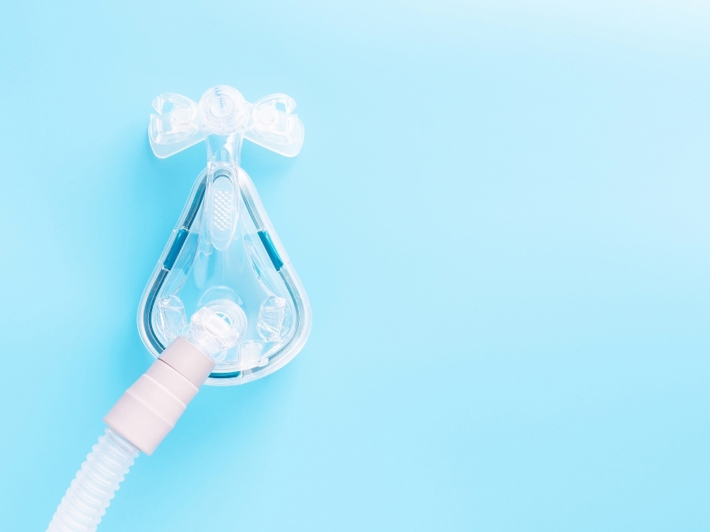
The CPAP device is the most common treatment for moderate to severe sleep apnea. It gently pumps air into the airway via a mask worn during sleep to keep it open. Other options include auto-CPAP and BPAP devices. (5)
Oral Appliances
These devices stabilize the jaw and tongue to prevent airway blockage. They are custom-made by dentists in consultation with the supervising physician and are typically used for mild to moderate cases. (5)
Surgery
Surgery is an option for severe cases that do not improve after at least 3 months of non-surgical treatment. The type of surgery depends on the individual case and may include: (3)
- Removal of excess tissue in the mouth and soft palate
- Tonsil and adenoid removal
- Jaw repositioning to widen the airway
- Implant to stimulate tongue muscles, keeping it from collapsing backward
- Tracheostomy (advanced cases)
Final Words
Treatments for sleep apnea aim to reduce symptoms and prevent repeated breathing interruptions, as well as lower associated health risks. However, they may not completely cure the condition.
Patients often need long-term treatment and regular follow-up to control symptoms and adjust therapy as needed.
References
- The Canadian Lung Association - A SLEEP APNEA HANDBOOK
- HelpGuide - Sleep Apnea
- Mayo Clinic - Sleep apnea
- Sleep Foundation - Sleep Apnea
- Cleveland Clinic - Sleep Apnea


