What is Gastroscopy?
Gastroscopy, also known as upper endoscopy, is a medical procedure aimed at diagnosing and treating a variety of symptoms and conditions affecting the esophagus, stomach, and the first part of the small intestine (duodenum). (1)
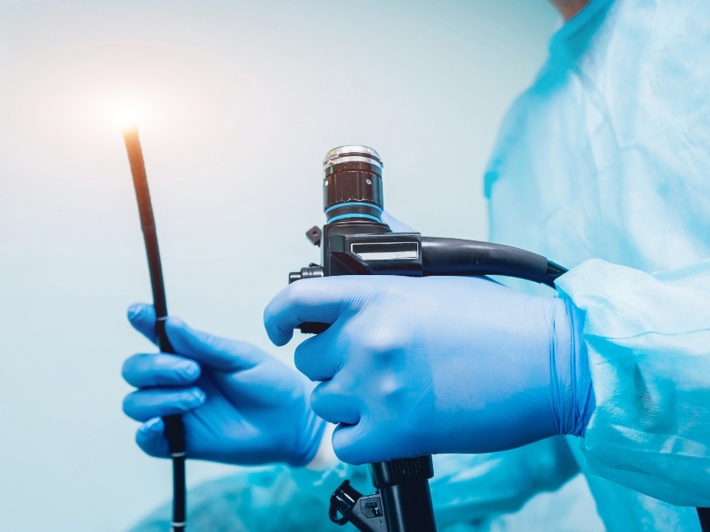
During the examination, the doctor inserts a thin tube called an endoscope through the mouth to reach the upper gastrointestinal tract, allowing visualization and inspection of the stomach lining, detection of any inflammation or ulcers, and the possibility of taking tissue samples for analysis if needed. (1)
Indications for Gastroscopy
Gastroscopy is an important method for diagnosing and treating many health issues. It is usually requested for the following cases: (1)(2)
1- Diagnosing the cause of symptoms:
Gastroscopy helps identify the reasons behind certain unexplained symptoms, such as:
- Persistent abdominal pain.
- Recurrent heartburn.
- Nausea and vomiting.
- Difficulty swallowing.
- Bleeding in the upper gastrointestinal tract.
2- Treating certain digestive conditions:
Through endoscopy, various treatments can be performed, such as:
- Cauterization and stopping bleeding from stomach ulcers.
- Removal of polyps and benign tumors from the stomach lining.
- Extraction of foreign objects that may obstruct the digestive tract.
3- Taking biopsies for examination:
During the procedure, the doctor can take a small tissue sample from the stomach for microscopic examination, aiding in disease diagnosis.
How to prepare for a gastroscopy
- Fasting: To ensure accurate results, the stomach must be completely empty. Therefore, fasting from food and drink, including water, is required for 6-8 hours before the procedure. The doctor will provide additional instructions based on your appointment time.
- Medications: It is essential to inform the doctor of all medications you are taking, as dosage adjustments may be needed, especially if you have diabetes. Also, notify the doctor of any drug allergies or existing health conditions, such as heart or lung diseases.
- Planning for post-procedure transport: Sedatives used during gastroscopy can cause drowsiness or dizziness for several hours afterward. Therefore, it is important to have someone accompany you, as the effects may persist even after returning home. (1)
How is gastroscopy performed?
Gastroscopy usually does not require hospital admission, and you can leave the same day. The steps include: (3)
- You will be asked to lie on your back or side on the examination table.
- The doctor may spray a local anesthetic in your mouth and throat or ask you to gargle with a numbing solution to reduce discomfort when the endoscope passes.
- A sedative will be administered intravenously to help you relax. In very rare cases, the procedure may be done under general anesthesia, so you are completely asleep.
- A special piece may be placed in your mouth to keep it open.
- The endoscope, a tube less than 1 cm in diameter, is passed through the throat into the stomach.
- Air may be introduced into the stomach via the endoscope to allow better visualization of the stomach lining.
- The doctor examines the stomach carefully for any inflammation or ulcers and may perform diagnostic or therapeutic procedures depending on the purpose of the endoscopy.
- The procedure usually takes 15 to 30 minutes and may take longer if additional procedures are required.
At the Digestive Health Department at Al Ahli Hospital, we perform gastroscopy using the latest technology, adhering to the highest safety and accuracy standards, while ensuring patient comfort throughout the procedure and recovery to guarantee precise diagnosis and effective treatment for various digestive conditions.
What happens after gastroscopy?
Recovery phase:
After the gastroscopy, you will be taken to the recovery area to rest quietly, either sitting or lying down. You may remain there for about an hour while the medical team monitors you until the sedative wears off. (4)
What you may feel after returning home:
It is normal to experience mild symptoms after the procedure, which usually improve gradually within hours, including: (4)
- Bloating and gas.
- Mild abdominal cramps.
- Sore or dry throat.
If you experience discomfort or have concerns about unusual symptoms after the procedure, do not hesitate to contact your doctor.
Post-procedure advice:
- It is recommended to rest for the remainder of the day after the procedure.
- Even though you may feel alert once the sedative effect wears off, your reactions may still be slower, and your decision-making ability may be affected. Therefore, avoid activities requiring high concentration for the following hours. (4)
What are the risks of gastroscopy?
Gastroscopy is generally considered a safe procedure, and its benefits usually outweigh the risks. Complications are rare and may include: (2)
- Severe reaction to the sedative: Some patients may experience reactions to the sedative, usually as low blood pressure or breathing difficulties. This is rare and can often be managed with medications or IV fluids under medical supervision.
- Perforation of the upper gastrointestinal lining: A very rare complication, occurring in less than 1 in 2,500 to 11,000 cases, requiring immediate treatment and sometimes surgery.
- Bleeding: Usually minor, especially when taking biopsies or removing polyps. The doctor can control it during the procedure using special tools.
These complications are rare, and the doctor can usually manage them quickly and efficiently if they occur.
References
- Digestive Health Foundation - Upper Endoscopy
- National Institute of Diabetes and Digestive and Kidney Diseases - Upper GI Endoscopy
- American Cancer Society - Upper Endoscopy
- Mayo Clinic - Upper endoscopy
- BMJ Journals- Complications of diagnostic upper Gastrointestinal endoscopy: common and rare – recognition, assessment and management | BMJ Open Gastroenterology