
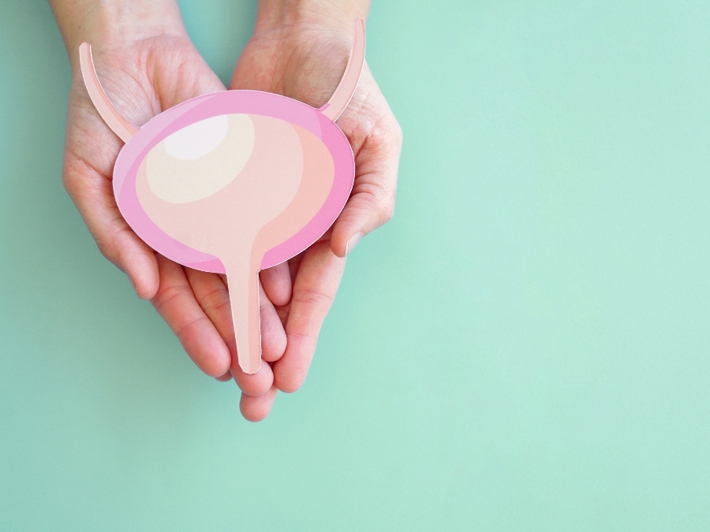
In cases of urinary incontinence, a person may experience leakage of urine when laughing, coughing, or sneezing, wet the bed during sleep, or have difficulty reaching the bathroom in time. So, what are the main causes of this common problem, and how can it be managed?
What is Urinary Incontinence?
Urinary incontinence is a common condition where a person has difficulty controlling urine for various reasons. It may be occasional and mild, or frequent and disruptive, affecting daily life.
People with urinary incontinence may notice involuntary urine leakage in certain situations, such as laughing, sneezing, coughing, or performing physical activities. It may also occur during sleep, or the person may be unable to reach the bathroom in time. (1)
Main Causes of Urinary Incontinence
Urinary incontinence may result from another underlying health issue or from certain life stages. Key causes include:
- Urinary Tract Infections (UTIs): UTIs can irritate the bladder, causing a strong, sudden urge to urinate and sometimes making it difficult to control urine flow.
- Excessive Weight: Extra weight puts pressure on the bladder, making overweight and obese individuals more prone to urinary incontinence.
- Pregnancy and Childbirth: Pregnancy can cause urinary incontinence due to pressure from the fetus on the bladder. Symptoms may continue or appear after childbirth due to weakened muscles, ligaments, and nerves in the pelvic area.
- Menopause: Urinary incontinence is common after menopause when estrogen levels decrease, affecting bladder and pelvic floor muscle health.
- Prostate Issues: Men may develop incontinence after prostate surgery or due to enlarged prostate.
- Smoking: Smokers are more likely to experience urinary incontinence compared to non-smokers, though the exact mechanism is unclear.
How is Urinary Incontinence Diagnosed?
Before starting treatment, the doctor must determine the type and nature of urinary incontinence through several assessments: (2)
- Urine analysis to rule out infection or other abnormalities.
- Bladder diary documenting frequency, urgency, and volume of urine over several days.
- Post-void residual measurement to detect incomplete bladder emptying, blockage, or muscle/nerve problems.
- Additional tests, if needed, include urodynamic studies or pelvic ultrasound.
For accurate diagnosis and reliable medical advice, consulting a urology specialist at a well-equipped hospital like Al Ahli Hospital is recommended.
Types of Urinary Incontinence
Urinary incontinence can be categorized into several types: (2)
- Stress Incontinence
- Leakage occurs during coughing, laughing, exercise, or lifting heavy objects, which puts pressure on the abdomen. Common in women, especially post-childbirth or after menopause, due to weak pelvic floor muscles.
- Urge Incontinence
- A sudden, strong urge to urinate with little or no control, leading to leakage. Can occur multiple times a day, including at night. Causes may include UTIs, diabetes, or neurological disorders.
- Overflow Incontinence
- Incomplete bladder emptying leads to constant residual urine, causing small leaks. Common in men with enlarged prostate due to partial urinary obstruction or weak bladder muscles.
- Functional Incontinence
- Occurs when a physical or mental impairment prevents timely access to the bathroom, such as in Alzheimer’s disease or mobility issues.
- Mixed Incontinence
- A combination of types, usually stress and urge incontinence.
Treatment of Urinary Incontinence
Urinary incontinence may be temporary, caused by medications, UTIs, or severe constipation. Once the cause is removed, symptoms may resolve naturally.
There are three main approaches to treating urinary incontinence: (3)
1. Lifestyle Changes
- Perform pelvic floor exercises (Kegel exercises) regularly, especially for stress incontinence.
- Schedule timed voiding every few hours.
- Limit fluid intake before bedtime.
- Reduce caffeine consumption.
- Manage diabetes effectively.
- Avoid lifting heavy objects.
- Maintain a healthy weight.
2. Medications
Medications depend on the type and severity of incontinence. Common options include:
- Oxybutynin (Ditropan®)
- Solifenacin (Vesicare®)
- Tolterodine (Detrusitol®)
- Trospium (Spasmex®)
- Desmopressin (Minirin Melt®)
- Mirabegron (Betmiga®)
- Tamsulosin (Omnic Ocas®)
- Estrogen creams for postmenopausal women
Some medications relax overactive bladder muscles, while others support bladder function.
3. Medical and Surgical Procedures
If other treatments fail, doctors may consider:
- Implanting nerve stimulators to improve bladder control.
- Surgical support of the urethra using mesh or tissue grafts.
- Injectable bulking agents to enlarge the urethral lining.
- Botox injections to relax bladder muscles and treat urge incontinence.
References
- Webmd - Managing Incontinence
- Mayoclinic - Urinary incontinence
- Clevelandclinic - Urinary Incontinence


