A bronchoscopic lung biopsy is a diagnostic procedure in which a small sample of lung tissue or fluid is taken for laboratory examination. It helps detect health issues such as benign or malignant tumors, pneumonia, or lung bleeding. (1)
Quick Facts
- The procedure allows doctors to diagnose lung diseases accurately.
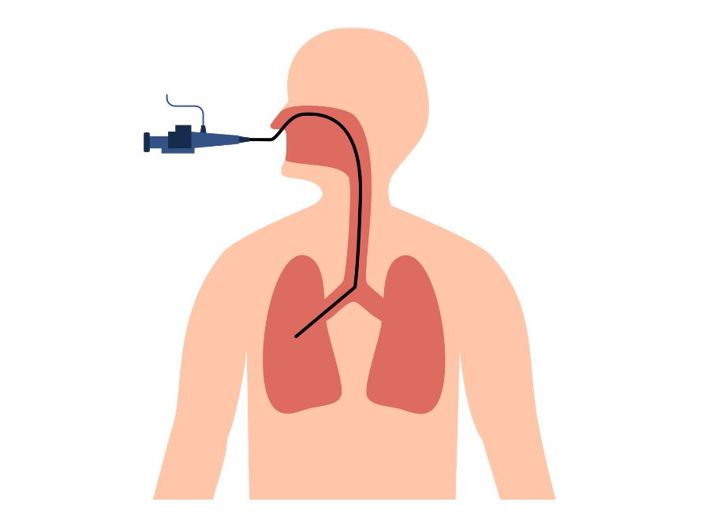
- The biopsy is taken using a thin bronchoscope inserted through the mouth or nose into the lungs.
- It is usually done in an outpatient setting under mild sedation.
- The procedure takes 20–30 minutes.
- Risks exist but are rare; bleeding at the biopsy site occurs in less than 1% of cases. (1)(2)
When Is It Needed?
A lung biopsy may be recommended in cases such as: (3)
- Chronic cough: Persistent cough unresponsive to standard treatments may require biopsy to find the underlying cause.
- Severe pneumonia: To determine the cause and guide treatment.
- Suspicious lung lesions on imaging: If X-ray or CT scan shows abnormal areas, a biopsy is the most accurate way to determine whether the lesion is cancerous.
For more information or to schedule a consultation, visit our clinic, where our team explains the procedure and answers all questions.
How to Prepare
Before the biopsy, your doctor will provide instructions, which generally include: (4)
- Stopping certain medications, especially blood thinners or aspirin, for a period before the procedure.
- Fasting for several hours before the biopsy.
- Arranging transportation home after the procedure due to sedation effects.
How Is the Procedure Done?
- You lie on a table with your head slightly elevated.
- An IV is placed for sedation and any necessary medications.
- A local anesthetic spray is applied to the nose or mouth.
- The bronchoscope is carefully inserted through the nose or mouth into the lungs—you may feel mild discomfort.
- Tissue samples are taken through the bronchoscope without causing pain. Additional procedures may be performed if needed. (4)
After the Biopsy
- You will be monitored for a few hours to ensure stability before going home.
- Temporary side effects may include:
- Numbness or tingling in the mouth and throat for a few hours
- Sore throat, cough, or hoarseness for about a day
- Mild blood-tinged sputum is normal; contact your doctor if it persists over 24 hours or is heavy
- Avoid eating or drinking until the sedation effect fully wears off.
- Follow all post-procedure instructions carefully. (1)(5)
Possible Risks
Although generally safe, bronchoscopic lung biopsy may rarely cause: (5)
- Severe bleeding
- Pneumonia
- Pneumothorax (collapsed lung)
Seek medical attention if you experience:
- Blood in sputum or nasal discharge lasting over 24 hours
- Heavy bleeding
- Chest pain or shortness of breath
- Fever above 38°C lasting over 24 hours
- Dizziness
When Are Results Available?
Biopsy results are usually available within 1–2 weeks, depending on the laboratory. (4)
References
- Columbia University - Guide to Bronchoscopy / Lung Biopsy
- Cancer Research UK - Bronchoscopy
- University Hospitals Coventry and Warwickshire - Bronchoscopy and cryotherapy for lung biopsy
- Cleveland Clinic - Bronchoscopy
- ACS - Bronchoscopy