
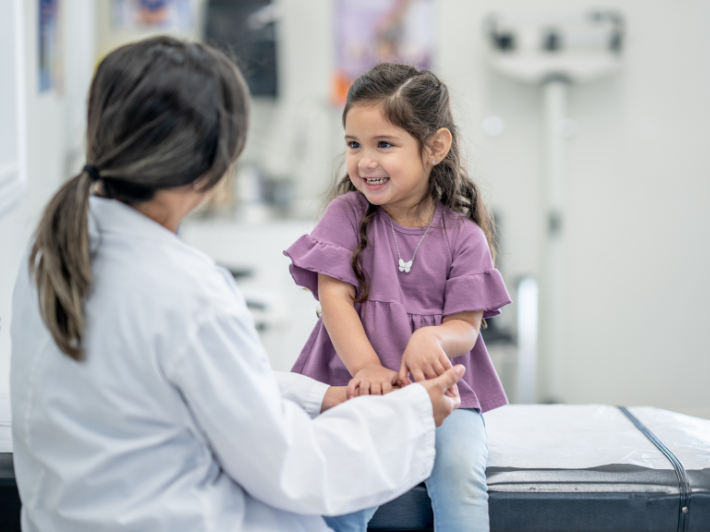
A Preventive Care Model Led by Dr. Samer Hamwy at Al-Ahli Hospital
In modern healthcare systems, preventive medicine has evolved from a supportive function into a foundational pillar of long-term population health. Nowhere is this philosophy more critical than in pediatrics, where early intervention shapes not only childhood wellbeing but lifelong medical trajectories.
At Al-Ahli Hospital, preventive pediatric care is structured, systematic, and deeply integrated into the hospital’s clinical governance framework. Under the leadership of Dr. Samer Hamwy, Consultant Pediatrician, regular checkups are positioned not as routine appointments, but as strategic health milestones that safeguard developmental integrity and future resilience.
The Science Behind Structured Pediatric Surveillance
Childhood represents a period of extraordinary biological and neurological plasticity. Growth patterns, cognitive development, immune maturation, and behavioral adaptation occur rapidly — often within narrow windows of opportunity.
Regular pediatric checkups provide a structured surveillance system to monitor:
- Linear growth and weight velocity
- Head circumference tracking in early infancy
- Neuromotor and cognitive developmental milestones
- Speech and language progression
- Social-emotional development
- Nutritional adequacy and metabolic health
Early indicators of congenital or chronic disease
This proactive model ensures deviations are identified before they progress into complex clinical challenges.
Dr. Hamwy emphasizes:
“Preventive pediatrics is fundamentally about timing. Detecting concerns early allows us to intervene during critical developmental windows when outcomes are most favorable.”
Early Detection as Risk Mitigation
Many pediatric conditions initially present subtly. Iron deficiency anemia, mild asthma, autism spectrum disorders, vision impairment, learning difficulties, and endocrine abnormalities may not be immediately obvious to families.
Through evidence-based screening protocols aligned with international pediatric guidelines, Al-Ahli Hospital ensures early recognition and coordinated management.
The clinical advantages include:
- Reduced hospital admissions
- Lower risk of long-term complications
- Improved educational and cognitive outcomes
- Enhanced quality of life
Preventive pediatric care therefore serves as a risk mitigation strategy at both individual and societal levels.
Beyond the Examination Room: A Family-Centered Model
Effective pediatric care extends beyond the child — it encompasses the family unit. Regular checkups at Al-Ahli Hospital integrate parental counseling on:
- Age-specific nutritional requirements
- Obesity prevention and physical activity
- Responsible digital exposure
- Sleep regulation
- Emotional regulation and behavioral boundaries
- Immunization adherence
- Adolescent transition care
This holistic approach strengthens parental confidence and promotes informed decision-making.
Digital Integration and Continuity of Care
Through the hospital’s integrated EMR infrastructure, pediatric growth data, vaccination schedules, and follow-up reminders are digitally tracked, ensuring continuity and compliance.
This structured digital support system reinforces clinical oversight and enhances patient safety.
A Long-Term Investment in Population Health
Regular pediatric checkups are not merely preventive appointments — they are investments in national health capital. By embedding preventive pediatrics into institutional strategy, Al-Ahli Hospital reinforces its role not only as a treatment center, but as a guardian of future generations.
In a healthcare landscape increasingly focused on reactive care, Al-Ahli Hospital’s structured preventive pediatric model stands as a forward-looking, evidence-driven approach to sustainable health.