
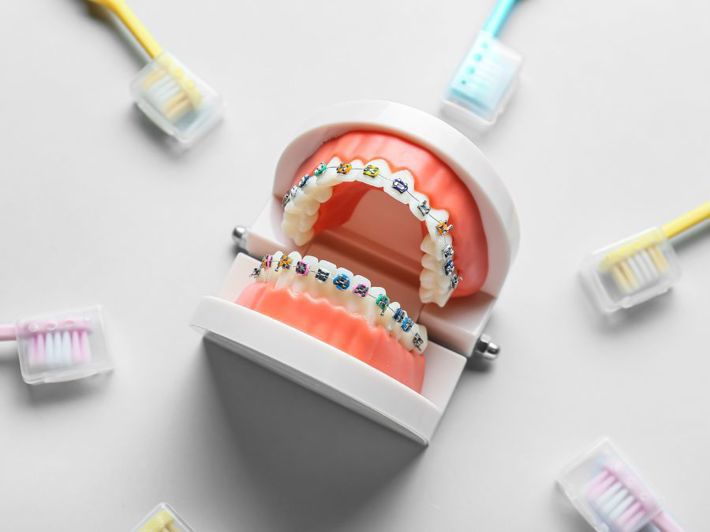
Dental braces are a treatment option that dentists use to improve the alignment and function of teeth by adjusting their position and ensuring a balanced bite. (1)
However, braces are not just metal pieces attached and tightened on teeth. Each case may require a specific type of braces and placement technique to achieve the desired outcome. There are several types of dental braces, which we will explore below.
What Are the Types of Dental Braces?
There are four main types of dental braces: (2)(3)
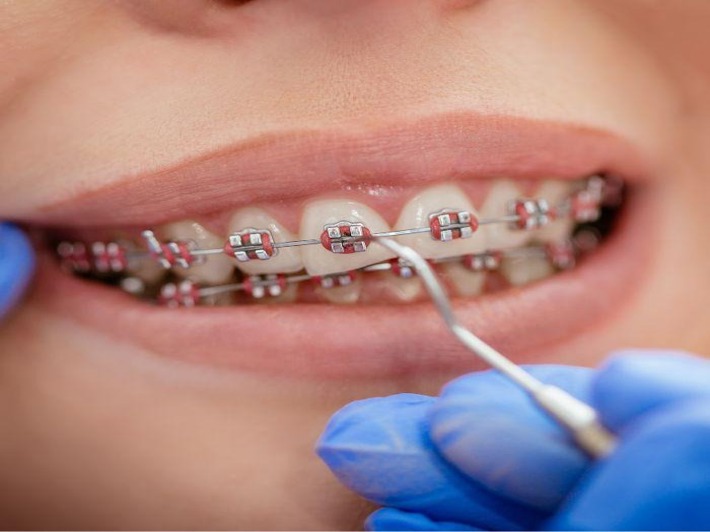
1. Metal Braces
This is the traditional and most common type, made entirely of metal. They are:
- Suitable for all cases, including severe misalignments.
- Highly effective and fast in achieving results.
- The most affordable option.
Disadvantage: Their visible appearance, which some people may find aesthetically unappealing.
2. Ceramic Braces
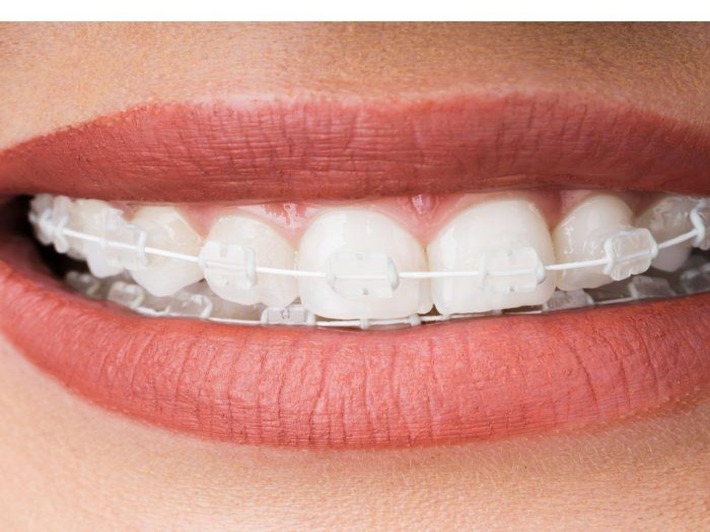
These work the same way as metal braces and provide similar effectiveness. The difference is that the brackets, wires, and ligatures are tooth-colored, blending with the smile and being less noticeable.
Disadvantages:
- More expensive than metal braces.
- Slightly more prone to breakage.
3. Lingual Braces (Internal Braces)
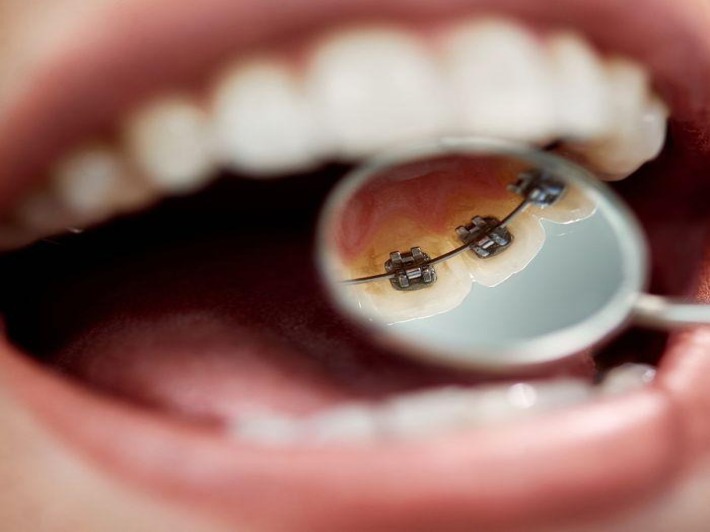
These are similar to traditional braces but are placed on the back surfaces of teeth instead of the front, making them completely hidden.
Disadvantages:
- Harder to clean and maintain.
- Not suitable for all cases.
- May take longer to achieve the desired results
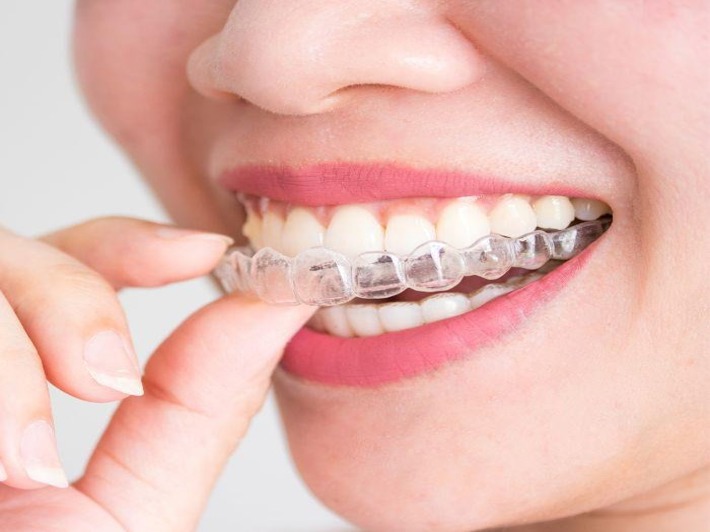
4. Clear Aligners (e.g., Invisalign)
Clear braces are one of the latest options for teeth alignment, made from transparent acrylic.
Advantages:
- Completely transparent, no wires or brackets, making them hard to notice.
- Removable for eating and cleaning, provided they are worn 22 hours per day.
Disadvantages:
- More expensive than other types.
- Must be replaced every two weeks, requiring 20–50 different aligners for a full treatment, depending on the case.
- Suitable only for mild to moderate cases.
- Takes longer to achieve results compared to metal or ceramic braces.
In all cases, the skill and experience of the dentist are key to choosing the most suitable braces type. At Al Ahli Hospital’s Dental Department, one of the leading dental centers in Qatar, we offer 9 specialized dental clinics equipped with state-of-the-art technology.
What is the Best Age for Dental Braces?
There is no strictly “best” age for braces. However, the ideal age for orthodontic treatment is usually between 9 and 14 years, when the jaw and facial bones are more flexible, and all permanent teeth have usually erupted.
Braces are also effective for adults, though treatment may take longer to achieve optimal results. (2)
Cases That Require Dental Braces
Orthodontic treatment may be necessary in cases such as: (1)
- Crowded or misaligned teeth: The most common reason for braces. Braces move teeth into a better position, improving appearance, bite, and cleaning.
- Protruding front teeth: Prominent front teeth can affect facial aesthetics. Braces help align the teeth properly and improve the bite.
- Incorrect bite alignment: Misaligned bites can strain jaw muscles, leading to jaw problems, TMJ issues, or headaches. Braces help reduce stress and balance the bite.
References
- ADA - Braces
- Clevelandclinic - Teeth Braces
- Beauchamp Orthodontics - All About Braces And How They Work


