
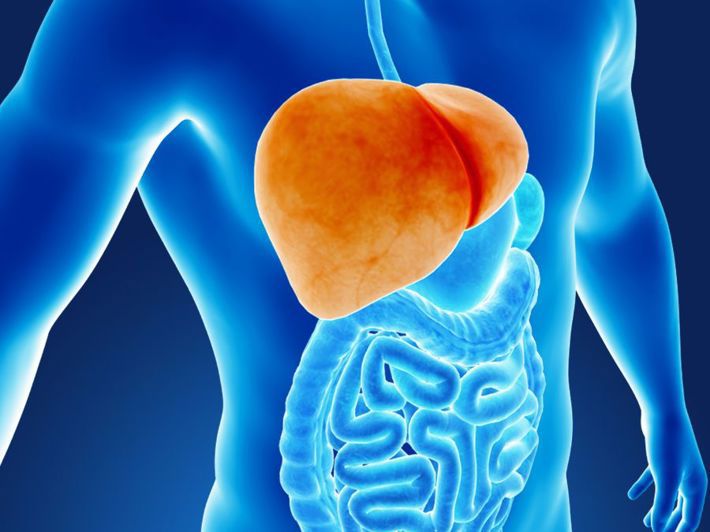
The liver naturally contains a small amount of fat, but when this percentage exceeds 5-10% of the total liver weight, it is known as fatty liver disease. (1)
This occurs due to excessive consumption of alcohol or food, as the body converts excess calories into fat that is stored within liver cells, increasing fat accumulation. Other factors also play a role, such as uncontrolled diabetes, high cholesterol, and more. (1)
What are the symptoms of fatty liver?
Fatty liver is usually “silent” and does not show clear symptoms. However, in some cases, a person may experience the following: (2)
- Feeling weak and tired all the time.
- Pain or discomfort in the upper right side of the abdomen.
- Nausea.
- Abdominal bloating.
In cases where fatty liver progresses to liver cirrhosis, the following symptoms may appear: (3)
- Yellowing of the skin and eyes (jaundice).
- Nausea.
- Loss of appetite.
- Unexplained weight loss.
- Noticeable abdominal swelling.
- Swelling in the legs, feet, or hands.
What are the types of fatty liver?
Fatty liver is classified into: (4)
- Simple Fatty Liver: Involves an excess amount of fat in the liver without causing inflammation or damage to the liver itself. This type is generally not dangerous and usually does not lead to liver complications.
- Non-Alcoholic Steatohepatitis (NASH): This type involves inflammation and damage to liver cells in addition to excess fat. These inflammations can lead to fibrosis or cirrhosis (permanent scarring of the liver), which may progress to liver failure or liver cancer if not controlled.
- The reason why some people develop these inflammations while others do not is unknown, but several factors increase the risk, such as:
- Diabetes or prediabetes.
- Obesity.
- High blood pressure or cholesterol.
- Use of certain medications, such as corticosteroids or chemotherapy.
- Genetics.
- Alcoholic Fatty Liver (ALD): This type occurs, as the name suggests, due to excessive alcohol consumption, especially over a long period. The liver breaks down most of the alcohol in the body to eliminate it, but this process produces harmful substances that can damage liver cells. This can progress to more serious stages, such as cirrhosis or liver failure.
Is fatty liver dangerous?
In most cases, simple fat does not cause serious problems and does not impair liver function. For example, if alcohol is the cause, fat usually disappears within six weeks after stopping alcohol consumption. (5)
However, in some cases, fatty liver may progress to more serious conditions, usually gradually: (3)
- Hepatitis: Fat can cause inflammation that harms liver tissue and its functions.
- Liver Fibrosis: Scarring begins to form in damaged areas of the liver due to inflammation, making the liver stiffer and gradually reducing its function.
- Liver Cirrhosis: Extensive scar tissue replaces healthy liver tissue, leading to cirrhosis. If untreated, this can result in severe conditions such as liver failure or liver cancer.
For this reason, it is important to know the cause of fat accumulation in the liver and start appropriate treatment. Even in the early stages of cirrhosis, proactive steps can protect the liver from further damage.
How can fatty liver be detected?
Since fatty liver does not cause clear symptoms, early detection can be difficult. A doctor may suspect it if abnormal results appear in blood tests performed for other reasons, such as routine check-ups. For example, elevated liver enzymes may prompt the doctor to request further tests.
As part of the diagnosis, the doctor asks about alcohol consumption to determine whether fatty liver is related to alcohol or other factors. The doctor may also inquire about medical conditions and medications to see if any contribute to fat accumulation.
Tests usually include blood tests to evaluate liver function, and imaging tests may be used to detect fat and fibrosis in the liver. In some cases, a small liver sample (biopsy) may be needed to confirm the diagnosis and assess the extent of any damage. (4)
To ensure liver health, do not hesitate to visit Al Ahli Hospital laboratories for the necessary tests and to confirm proper liver function.
References
- Healthdirect Australia - Fatty liver
- Health Navigator Charitable Trust - Fatty liver disease
- Cleveland Clinic - Steatotic (Fatty) Liver Disease
- MedlinePlus - Fatty Liver Disease
- MSD Manual - Fatty Liver


